

Immigration Enforcement, Detention, and Due Process
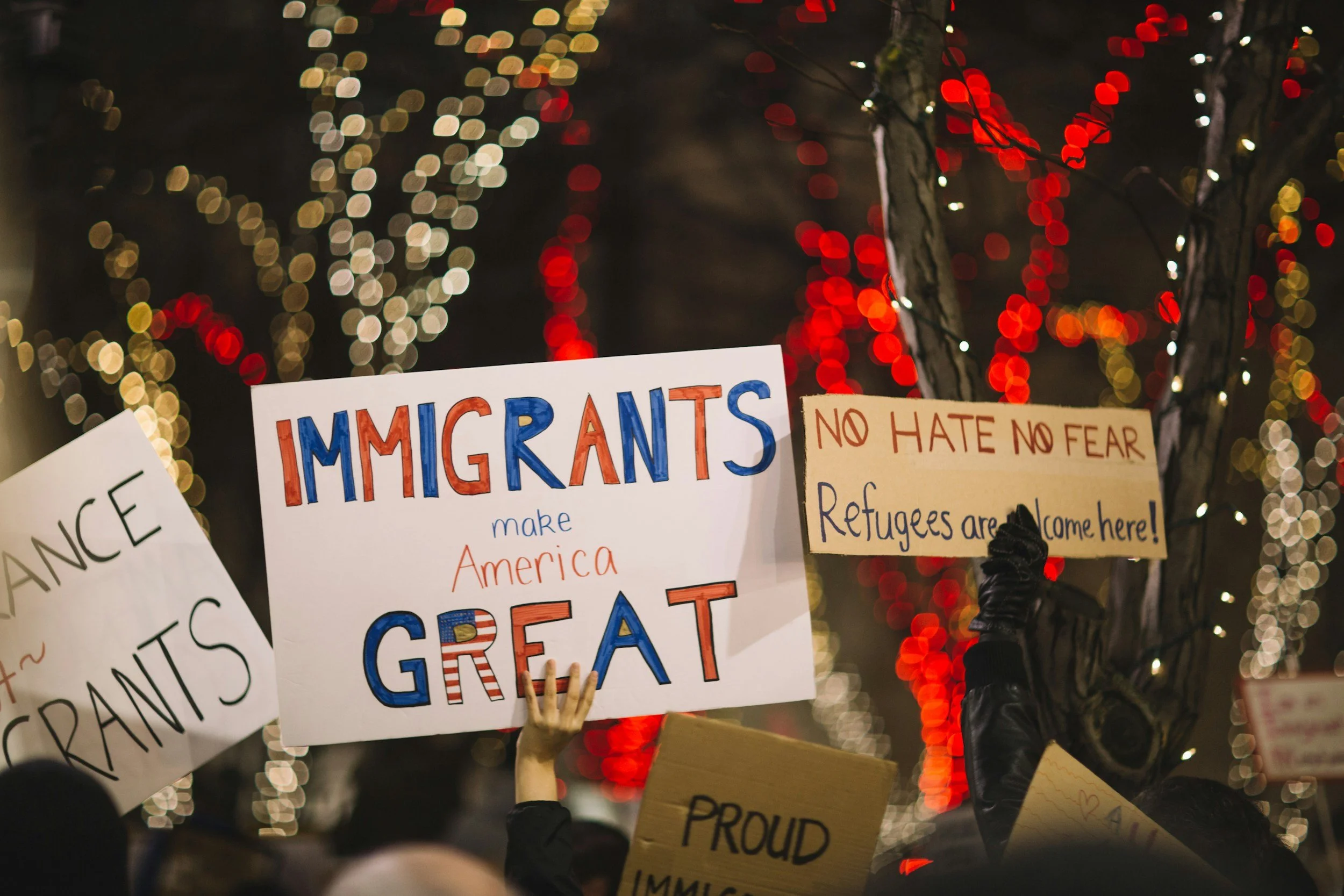
Indigenous America does not end at the United States border. “Hispanic or Latino” describes an ethnicity, not a race, and the [U.S. Census Bureau]confirms that Hispanic and Latino people may be of any race. Latin America is home to an estimated **42 million Indigenous people**, while [DHS’s own Indigenous Languages Plan] recognizes Indigenous-language speakers in CBP custody. Although not every Latino person is Indigenous, immigration enforcement affects people with Indigenous ancestry and members of living Indigenous communities. In March 2026, a [United Nations committee warned] that racial profiling during ICE and CBP operations against people of Hispanic, African, and Asian origin had contributed to widespread human-rights violations, and that dehumanizing rhetoric could encourage discrimination and hate crimes. Many refugees and asylum seekers from Haiti and countries throughout Asia and the Middle East have also fled persecution, conflict, violence, or human-rights violations—conditions that [UNHCR identifies as major causes of forced displacement]. ICE’s Enforcement and Removal Operations division is legally responsible for identification, arrest, detention, and removal under federal immigration law. This page examines that authority alongside [documented concerns] involving detention conditions, due process, civil-rights protections, transparency, and the effects enforcement actions can have on families and communities.
DHS’s inspector general has repeatedly documented violations of ICE detention standards, making it possible to build this page around government findings rather than unsupported allegations.
Sources:
(https://www.census.gov/topics/population/hispanic-origin.html)
(https://www.unhcr.org/about-unhcr/overview/figures-glance)
UNDERSTAND THE ISSUE.
ACT WITH PURPOSE.
PROTECT THE WORK.
Concern is only the beginning. Credible civic action requires a clear understanding of the record, a specific lawful demand, and discipline about the conduct that can harm people or discredit the work.
OUR UNDERSTANDING
SEPARATE THE RECORD FROM THE REACTION.
Birdkill begins with verifiable evidence, identifies what remains uncertain, and distinguishes documented facts from allegations, inference, and opinion. We judge power consistently, regardless of party, office, institution, or identity.
The goal is not outrage for its own sake. The goal is public understanding strong enough to support accountability.
HOW TO ACT
TURN CONCERN INTO A DEMAND.
- Verify the claim and preserve the original source.
- Identify the official, agency, court, or institution with authority.
- Make one specific request that can receive a written answer.
- Use lawful public records, oversight, reporting, voting, and organizing tools.
WHAT NOT TO DO
DO NOT BECOME WHAT YOU OPPOSE.
- Do not threaten, stalk, harass, dox, swat, or intimidate anyone.
- Do not trespass, destroy property, obstruct emergency services, or interfere with lawful operations.
- Do not alter evidence, spread claims you cannot support, or file knowingly false reports.
- Do not claim that an independent action was organized, directed, authorized, or sponsored by Birdkill.
THE BIRDKILL STANDARD
Birdkill supports peaceful, informed, evidence-based civic action. Birdkill does not organize, direct, authorize, or endorse violence, harassment, trespass, property destruction, obstruction, doxxing, swatting, intimidation, or knowingly false reports. Individuals are responsible for their own actions and may not represent them as Birdkill-sponsored.
Educational information only—not legal advice. Verify current law, jurisdiction, dates, organizers, and reporting instructions before acting. If someone is in immediate danger, contact the appropriate emergency service.